
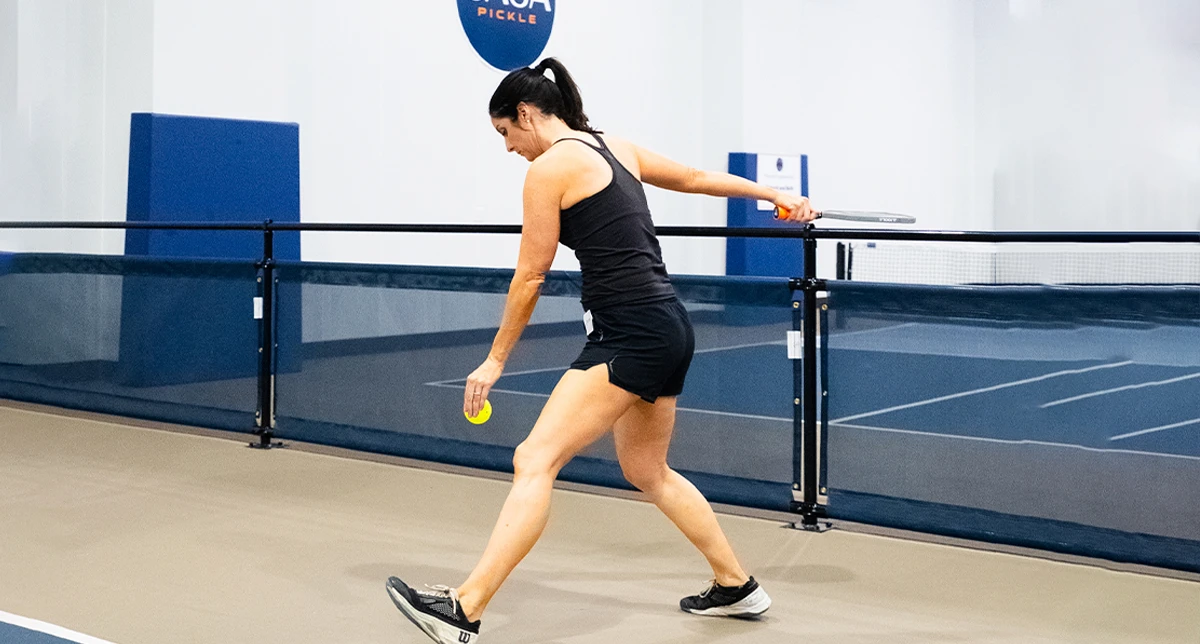
The serve is the only shot in pickleball that gives you complete control over how a rally begins. A well-executed serve helps you establish good positioning, apply pressure to your opponent, and create opportunities for the next shot. Whether you’re new to the game or refining your technique, developing a consistent serve is one of the quickest ways to improve your overall performance. If you’ve been searching for pickleball near me, practicing regularly on quality courts can help you build confidence with every serve and accelerate your progress.
Although the serving motion appears simple, accuracy, placement, and consistency are far more important than power. Understanding the proper serving technique and practicing regularly will help you avoid unnecessary faults while setting yourself up for more successful rallies.
Steps to Serve in Pickleball?
A proper pickleball serve follows specific rules that ensure every rally starts legally while giving you greater control over the point. Learning the correct serving technique from the beginning helps improve consistency, accuracy, and confidence, making it easier to develop a reliable serve as your overall game progresses.
Use an Underhand Motion
Every pickleball serve must be hit using an underhand motion. The paddle should move in an upward arc instead of a downward or sidearm swing, helping you meet the official serving rules. A smooth underhand motion creates better control over the ball and allows you to direct your serve with greater precision. Practicing this movement consistently also makes your serve more repeatable and reduces unnecessary faults.
Contact the Ball Below Your Waist
The ball must be struck below your waist at the moment of contact to make the serve legal. In addition, the paddle head must remain below your wrist when the ball is hit, ensuring the serve complies with official pickleball regulations. Maintaining this position encourages a natural upward swing and improves overall serving mechanics. Repeating the correct technique every time helps build muscle memory and increases serving consistency.
Serve Diagonally Across the Court
A legal serve must travel diagonally into your opponent’s correct service court. The ball needs to clear the non-volley zone, commonly called the kitchen, before landing within the boundaries of the service box. Aiming for depth and placement rather than power often produces more effective serves and makes returns more challenging. Consistently serving to the correct area also helps you avoid faults and start each rally with confidence.
Keep Both Feet Behind the Baseline
Before and during the serve, both feet must remain behind the baseline without touching the line or stepping into the court. At least one foot must stay in contact with the playing surface behind the baseline until the ball has been struck. This rule prevents foot faults and ensures your serve is considered legal. Developing proper foot positioning early makes serving more consistent and helps avoid unnecessary penalties during matches.
Focus on Consistency Before Power
Many players try to hit powerful serves, but consistency is far more important, especially while developing proper technique. A controlled serve with good placement creates better opportunities to win the rally than an aggressive serve that frequently results in faults. Focus on repeating the same stance, swing, and contact point every time you serve. Once your mechanics become reliable, you can gradually add more pace without sacrificing accuracy.
Understanding these serving fundamentals helps players begin every point with confidence while reducing avoidable service faults.
What Are the Basic Serving Rules in Pickleball?
Following the correct serving rules is just as important as developing good technique. A legal serve ensures every rally begins fairly and helps players avoid unnecessary faults that can cost valuable points.
- Serve Underhand Every Time: Every pickleball serve must be performed using an underhand motion. The paddle should move upward as you strike the ball, and contact must be made below your waist with the paddle head below your wrist. Using the proper motion helps produce a legal and controlled serve.
- Aim for the Diagonal Service Court: The serve must travel diagonally across the net and land inside your opponent’s service court beyond the non-volley zone. If the ball lands in the kitchen or outside the service area, it is considered a fault. Practicing placement improves both accuracy and consistency.
- Keep Your Feet Behind the Baseline: When serving, at least one foot must stay behind the baseline until after the ball is struck. Stepping on or over the baseline before making contact results in a foot fault. Maintaining proper positioning helps ensure every serve is legal.
- Allow Only One Bounce Before Returning: After a successful serve, the receiving team must let the ball bounce before returning it. The serving team must also allow the return to bounce before hitting the next shot, following the two-bounce rule. This creates fair rallies and encourages strategic play from the start.
- Focus on Accuracy Before Power: Many new players try to hit powerful serves, but consistency is far more effective. A well-placed serve puts your opponent under pressure while reducing service errors. Building accuracy first creates a stronger foundation for adding power later.
How Can You Improve Your Pickleball Serve?
Improving your pickleball serve takes consistent practice, proper technique, and regular repetition of the fundamentals. Casa Pickle’s coaching programs, clinics, and open play sessions provide the ideal environment to refine your serve with guidance from experienced instructors while building confidence on the court.
You can improve your serve by focusing on these techniques:
- Practice a consistent routine: Using the same stance, grip, and serving motion before every point helps build muscle memory and improve accuracy over time.
- Aim for placement instead of speed: Directing your serve toward different areas of the service box makes it more difficult for opponents to predict and return your shots.
- Develop better footwork: Staying balanced throughout your serving motion improves control and helps you recover quickly for the next shot.
- Practice different serve variations: Once you’ve mastered a basic serve, experiment with deeper serves, angled serves, and topspin to keep opponents guessing.
- Play regularly against different opponents: Facing players with different skill levels helps you adjust your serve under real-game conditions and build confidence during competitive play. If you want to improve faster, joining pickleball classes gives you structured practice, expert feedback, and the guidance needed to take your game to the next level.
Consistent practice and proper technique will help turn your serve into a dependable part of your overall pickleball game.
What Are Common Serving Mistakes to Avoid?
Even experienced players occasionally struggle with their serve, but most mistakes can be corrected with proper technique and regular practice. Avoiding common serving errors helps improve consistency, reduce faults, and build confidence before every rally. If you’re looking for a pickleball coach near me, professional coaching can help identify these mistakes early and improve your serving technique much faster.
Some of the most common serving mistakes include:
- Serving above the waist: Contacting the ball above your waist or using an overhand motion results in an illegal serve. Always use the proper underhand technique to stay within the rules.
- Stepping over the baseline: Crossing or touching the baseline before striking the ball leads to a foot fault. Maintaining proper foot placement ensures every serve begins legally.
- Trying to hit the ball too hard: Power alone doesn’t create an effective serve. Focusing too much on speed often reduces accuracy and increases the chances of hitting the ball out of bounds.
- Ignoring serve placement: Serving to the same location every time makes it easier for opponents to anticipate your next shot. Varying your placement keeps opponents guessing and creates better opportunities during rallies.
- Skipping regular practice: Serving is a skill that improves through repetition. Regular practice, along with a pickleball membership, gives you consistent court time to build confidence and develop a more reliable serve.
Avoiding these mistakes allows players to start each point with greater control and set themselves up for stronger rallies.
Perfect Your Pickleball Serve at Casa Pickle
A reliable serve is the foundation of every successful pickleball rally. By understanding the serving rules, practicing proper technique, and focusing on consistency over power, players can improve their accuracy and begin every point with confidence. Regular practice is the key to turning a basic serve into a dependable part of your overall game.
Whether you’re learning the fundamentals or refining advanced serving techniques, Casa Pickle offers 26 premium indoor courts, professional coaching, beginner-friendly clinics, open play sessions, leagues, and tournaments to help players continue improving. Practice in a welcoming Houston community, receive guidance from experienced coaches, and build confidence every time you step onto the court.