
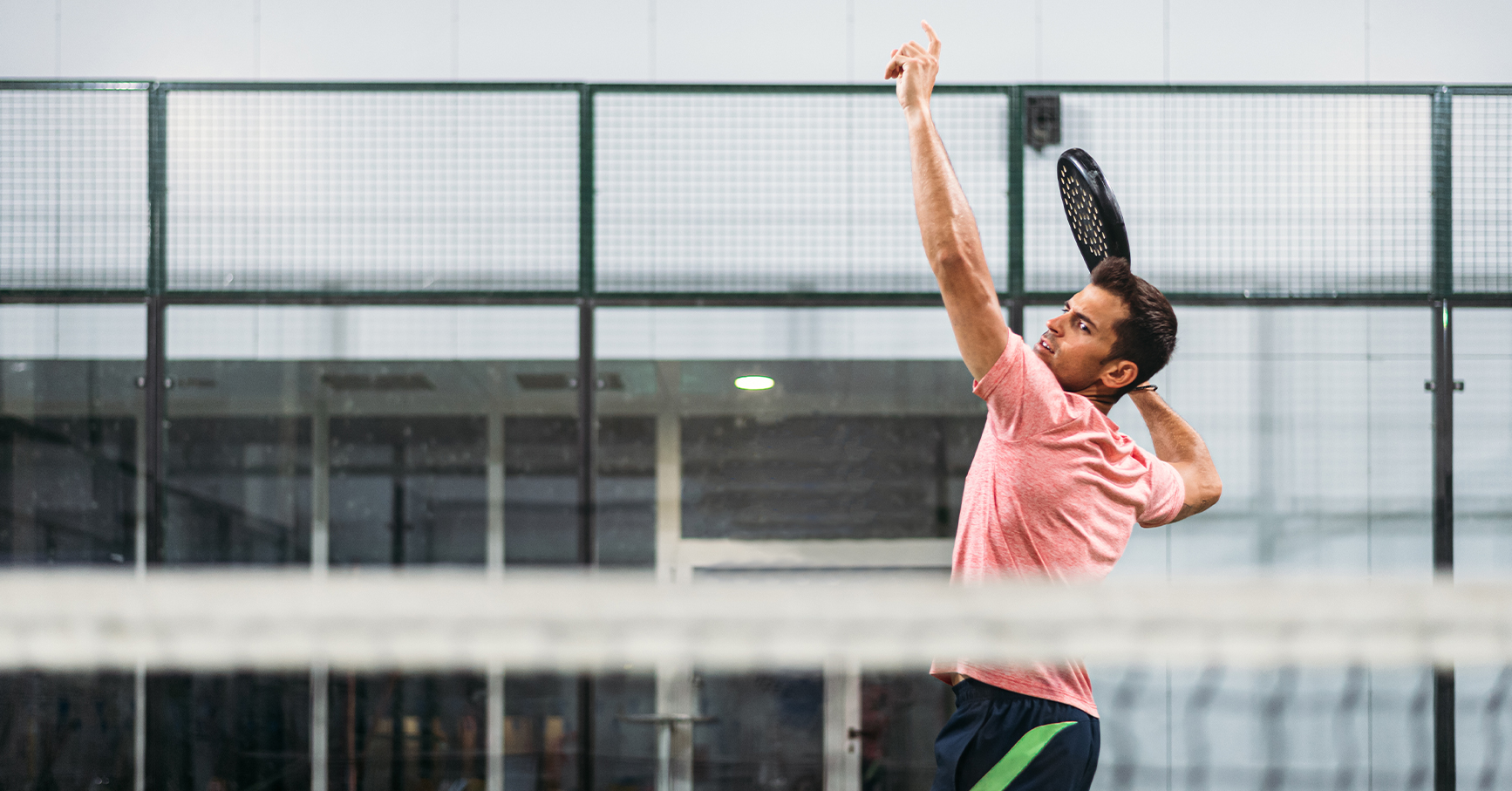
The pickleball serving rules determine how every rally begins, and mastering them is essential for playing the game correctly and competitively.
According to the official rule framework from USA Pickleball, serving mistakes are one of the most common reasons beginners lose points early in matches. That’s because the serve is tightly regulated compared to many other racket sports.
In this blog, you’ll learn every major rule, serving procedure, types of serves, common faults, and beginner mistakes so you can serve legally and play pickleball confidently in any match.
If you’re looking to take your skills further in real gameplay, Houston pickleball courts provide a great way to practice consistently and improve your serving performance in a competitive environment.
What Are the Rules/Procedures of Serving in Pickleball?
Understanding the serving procedures is the foundation of learning pickleball. Every serve must follow strict motion, position, and placement rules.
Rule #1 – Serve Must Be Underhand
The pickleball serve must be performed using an underhand motion, meaning the paddle moves upward when making contact with the ball.
You cannot use an overhand or sidearm tennis-style serve. This rule ensures consistency and fairness, making it easier for both players to return serves and keep rallies competitive.
Rule #2 – Paddle Contact Must Be Below the Waist
When serving, the point of contact between the paddle and ball must be below the waist level, typically defined around the navel.
This prevents players from gaining an unfair advantage through high-impact overhead-style hits. It also helps maintain control and encourages more strategic serving rather than pure power.
Rule #3 – Feet Must Stay Behind the Baseline
At the moment the ball is struck, at least one foot must remain in contact with or behind the baseline.
Stepping on or over the baseline before contact is considered a foot fault. This rule ensures players do not reduce serving distance or gain an unfair positional advantage.
Rule #4 – Serve Must Land Diagonally Across the Court
Every serve must travel diagonally and land inside the opponent’s service box, not the kitchen or outside the boundary lines.
This rule creates balance in gameplay by ensuring both sides have equal serving conditions. If the ball lands outside the correct diagonal box, it results in a fault.
Rule #5 – Only One Serve Attempt Is Allowed
In pickleball, players typically get only one chance to execute a legal serve.
If the serve results in a fault, the serve is immediately lost to the opponent (or partner in doubles). Unlike tennis, there is no second serve, which increases pressure and rewards consistency.
Rule #6 – No Spin Allowed
Modern pickleball rules prohibit adding artificial spin to the ball during the release or drop. Players cannot spin or manipulate the ball with their hands before serving.
This rule was introduced to prevent unfair advantages and ensure that serves remain predictable and skill-based rather than deceptive.
If you’re looking to practice these rules in real gameplay, finding a good coach nearby can make a big difference in improving your serve consistency. Many players search for a pickleball coach near me to get access to local courts and start playing regularly.
Read more: Complete Breakdown of Pickleball Rules
What Is a Legal Serve in Pickleball?
A legal serve is one that follows all motion, positioning, and contact rules without violations.
Volley Serve Rules
A volley serve is when the ball is struck out of the air without bouncing.
Key requirements:
- Paddle motion must be upward
- Contact must be below waist level
- Server must stay behind the baseline
- Ball must be hit cleanly without illegal spin
Drop Serve Rules
A drop serve allows the ball to be dropped and then hit after bouncing.
Key requirements:
- Ball must be dropped (not thrown or spun)
- Must bounce once before contact
- No pushing or throwing motion allowed
What Are the 5 Serving Rules in Pickleball?
The five core serving rules are:
- Serve must be underhand
- Paddle contact must be below the waist
- Feet must remain behind the baseline
- Serve must land diagonally in the service box
- Only one serve attempt is allowed
These five rules form the foundation of every legal serve in pickleball.
Types of Serves in Pickleball
The serve in pickleball can be executed in different ways depending on a player’s skill level, strategy, and comfort.
Volley Serve
The volley serve is the most commonly used serving technique in competitive pickleball.
In this method, the player strikes the ball out of the air using an upward swinging motion before it touches the ground.
It allows for quicker and more aggressive serves, making it useful for putting immediate pressure on the opponent right from the start of the rally. Because of its speed and control, it is often preferred by advanced players.
Drop Serve
The drop serve is a simpler and more controlled serving method that is especially helpful for beginners.
In this technique, the player simply drops the ball onto the court and strikes it after it bounces once. Since there is no toss or complex motion involved, it significantly reduces the chances of errors.
This makes it a more consistent option for players who want to focus on accuracy rather than power.
Pickleball Serving Rules for Singles vs Doubles
Pickleball serving rules change slightly depending on whether you are playing singles or doubles, especially in terms of positioning and rotation.
However, the core serving mechanics remain the same in both formats.
Singles Serving Rules Explained
- Serve from the right side when score is even
- Serve from the left side when score is odd
- Each player serves for the entire rally sequence
Doubles Serving Sequence Rules
- Each team gets two serves per turn (except for the first service sequence)
- Partners alternate serving positions
- Proper rotation is critical to avoid faults
Rally Scoring vs Traditional Scoring Rules
- Rally scoring awards points on every rally
- Traditional scoring only awards points to the serving team
- Serving rules remain the same in both formats
Common Pickleball Serving Faults
- Failing to strike the ball in the correct service court
- Serving into the net or into the non-volley zone
- Serving out of bounds (long or wide)
- Stepping over the baseline before contact
- Illegal underhand motion or improper wrist position
- Improper drop serve technique (throwing or spinning the ball)
Common Beginner Mistakes in Pickleball Serving
- Trying to Hit Too Hard: Beginners often focus on power instead of control, leading to inaccurate and inconsistent serves.
- Ignoring Proper Foot Position: Stepping over or on the baseline during the serve results in easy foot faults.
- Poor Ball Contact Timing: Hitting the ball too early or too late reduces accuracy and weakens serve placement.
- Forgetting the Return Position: Many players fail to prepare for the next shot after serving, leaving them out of position.
- Using Illegal Serve Mechanics: Incorrect motion, like overhand swings or improper paddle angle, leads to immediate service faults.
Improve Your Pickleball Serve with Casa Pickle
Mastering the pickleball serving rules is key to playing consistently and avoiding faults. Once you understand the basics of legal serves, positioning, and serve types, your overall game improves quickly.
Keep practicing regularly and follow updates from USA Pickleball to stay rule-ready. For better hands-on practice, Casa Pickle offers indoor pickleball courts in Houston where you can refine your serving skills in a focused playing environment.