
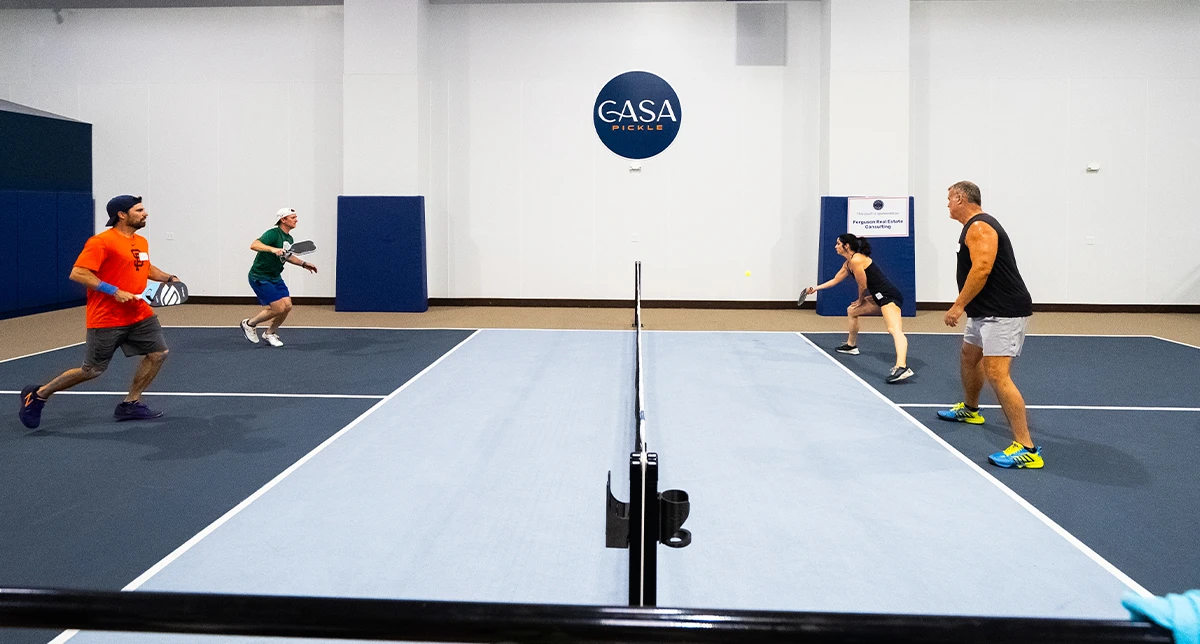
If you’re new to pickleball, one of the first terms you’ll hear is the kitchen. While the name may sound unusual, the kitchen is one of the most important areas on a pickleball court because it affects how players move, volley, and build points. Understanding this unique rule helps beginners avoid common faults while giving experienced players a stronger foundation for strategic play. Whether you’re just starting or looking to improve, finding the right place to practice can make all the difference. If you’re searching for pickleball near me, learning these kitchen rules on the court will help you build confidence much faster.
The kitchen plays a major role in creating longer rallies and rewarding skill over power. Learning when you can enter the kitchen, when you must stay behind the line, and how to use this area effectively can elevate your overall performance. From recreational games to competitive leagues, mastering the kitchen is essential for becoming a more complete pickleball player.
The Purpose of the Kitchen in Pickleball
The kitchen, officially called the Non-Volley Zone (NVZ), is the seven-foot area on both sides of the net where volleying is restricted. This rule encourages strategic play, longer rallies, and better court positioning instead of constant net attacks. The kitchen is designed to promote control, patience, and shot placement rather than relying solely on power.
Some of the key characteristics of the kitchen include:
- Seven-foot non-volley zone: The kitchen extends seven feet from the net on each side of the court and includes the non-volley line, making it a clearly defined playing area that every player should recognize.
- Volleys are restricted: Players cannot hit a volley while standing inside the kitchen or touching the kitchen line, helping create fairer rallies and reducing constant net attacks.
- Bounced balls are allowed: Once the ball bounces inside the kitchen, players may enter the zone and return the shot without violating any rules, making soft shots like dinks highly effective.
- Promotes strategic gameplay: The kitchen encourages players to use patience, precision, and placement instead of relying on aggressive overhead shots throughout every rally.
- Essential for all skill levels: Whether you’re learning the basics or preparing for competitive play, understanding the kitchen is one of the first steps toward becoming a more confident pickleball player.
Learning the purpose of the kitchen makes it much easier to understand why many of pickleball’s most important strategies revolve around this small section of the court.
Why the Kitchen Matters
The kitchen was created to make pickleball more balanced by preventing players from dominating the net with constant volleys. This rule encourages longer rallies, strategic shot placement, and fair competition for players of all skill levels.
The kitchen benefits the game in several important ways:
- Creates Longer Rallies: The non-volley zone prevents players from smashing every ball directly at the net, encouraging longer exchanges between opponents. Extended rallies make matches more competitive, improve shot variety, and create a more enjoyable experience for players of all skill levels.
- Rewards Skill Over Power: Success in the kitchen depends more on control, patience, and shot placement than raw power. Players who can consistently hit accurate dinks, execute soft resets, and place the ball strategically often gain the advantage over those who rely only on hard shots.
- Improves Court Positioning: The kitchen teaches players when to move forward, when to hold their position, and when to attack. Learning proper footwork and maintaining balance near the net helps players react faster while reducing unnecessary movement and positioning errors.
- Keeps Games Fair: By restricting volleys inside the kitchen, pickleball prevents taller or more aggressive players from dominating the net with constant overhead shots. This rule creates a more balanced game where players of different ages, abilities, and experience levels can compete effectively.
- Builds Strategic Thinking: Every rally requires players to evaluate the situation and choose the best shot, whether it’s a dink, reset, drive, or volley. Making smart decisions instead of rushing attacks improves consistency and helps teams create better scoring opportunities throughout the match.
Understanding why the kitchen exists helps players appreciate how this single rule shapes nearly every rally in pickleball.
Kitchen Rules Every Player Should Know
Understanding the kitchen rules is essential for avoiding unnecessary faults and playing with confidence. While the rules are straightforward, many players lose points because of small positioning mistakes or poor timing near the non-volley zone. Knowing these rules helps you play smarter and build better habits during every match.
You Cannot Volley While Standing in the Kitchen
A volley is any shot hit before the ball bounces, and it cannot be played while you’re standing inside the kitchen or touching the kitchen line. This rule encourages players to rely on patience, positioning, and shot selection instead of constant net attacks. Practicing proper volley technique helps reduce faults and improves overall consistency during rallies.
The Kitchen Line Is Part of the Non-Volley Zone
Many beginners focus only on staying outside the kitchen but forget that the non-volley line is included as part of the kitchen. Even if only a small portion of your foot touches the line while volleying, it results in a fault. Staying balanced behind the line helps maintain legal positioning during fast exchanges.
You Can Enter the Kitchen After the Ball Bounces
Players are allowed to step into the kitchen at any time as long as they are not volleying the ball. This rule makes soft shots like dinks an important part of pickleball strategy because they require opponents to let the ball bounce before returning it. Learning when to enter and exit the kitchen improves both control and decision-making.
Momentum Cannot Carry You Into the Kitchen
Even if you hit a legal volley from behind the kitchen line, your momentum cannot continue into the non-volley zone after the shot. Stepping or falling into the kitchen because of your follow-through still counts as a fault. Developing good balance and controlled footwork helps players stay in legal position throughout the rally.
Anything Connected to You Can Result in a Fault
Kitchen violations are not limited to where your feet are positioned. If your paddle, clothing, hat, or any item connected to you touches the kitchen during or immediately after a volley, the play is considered a fault. This rule applies even if you make clean contact with the ball from outside the non-volley zone. Staying aware of your body position and equipment helps prevent avoidable mistakes during fast-paced rallies near the net.
Common Kitchen Mistakes Players Should Avoid
Even experienced players occasionally commit kitchen faults, especially during fast-paced exchanges at the net. Most of these mistakes happen because players become too aggressive or lose balance while attempting difficult volleys. Recognizing these common errors can help you improve your consistency and avoid giving away easy points. If you’re looking to sharpen these skills through pickleball classes, practicing with proper instruction can help you correct mistakes before they become habits.
Some of the most common kitchen mistakes include:
- Stepping on the kitchen line while volleying: Players often focus on reaching the ball and forget where their feet are, causing an accidental fault even after making solid contact.
- Allowing momentum to carry forward: Lunging aggressively toward the net can cause your body to enter the kitchen after a volley, resulting in a fault despite making a successful shot.
- Trying to attack every ball: Not every shot should be volleyed. Attempting aggressive winners instead of waiting for a better opportunity often leads to unnecessary mistakes.
- Standing too close to the kitchen too early: Positioning yourself without enough balance or preparation makes it harder to react to fast shots while staying outside the non-volley zone.
- Ignoring soft game fundamentals: Many beginners focus only on powerful drives instead of practicing dinks and resets, limiting their ability to control rallies around the kitchen.
Avoiding these common mistakes allows players to stay composed during rallies and build stronger habits that lead to more consistent performance.
How Can You Improve Your Kitchen Game?
Improving your kitchen game takes consistent practice, proper footwork, and smart decision-making rather than relying on power alone. If you’re searching for a pickleball coach near me, working with experienced instructors through coaching, clinics, and open play sessions allows you to develop these skills in a structured and supportive environment.
You can improve your kitchen game by focusing on the following techniques:
- Practice consistent dinks: Soft shots that land inside your opponent’s kitchen force them to let the ball bounce, helping you slow the rally and create opportunities to gain control.
- Maintain balanced footwork: Staying light on your feet and avoiding unnecessary forward momentum helps you react quickly while preventing kitchen faults during fast exchanges.
- Master reset shots: Learning to hit controlled reset shots from difficult positions allows you to neutralize aggressive opponents and regain control of the rally.
- Stay patient during net exchanges: Waiting for the right ball instead of attacking every shot improves decision-making and reduces unforced errors around the kitchen.
- Practice regularly with different players: Playing against opponents with varying skill levels helps you adapt to different playing styles while improving your confidence in real-game situations.
Strong kitchen play develops through repetition, smart strategy, and consistent practice on the court. For players who want regular access to courts, coaching, and competitive play, exploring a pickleball membership can help accelerate long-term improvement.
Master the Kitchen at Casa Pickle
Understanding what the kitchen is in pickleball is one of the most important steps toward improving your overall game. From learning when you can legally enter the non-volley zone to developing better dinks, resets, and court positioning, mastering the kitchen helps players become more confident and strategic during every rally.
Casa Pickle provides the ideal environment to build these skills with 26 premium indoor courts, professional coaching, beginner-friendly clinics, open play sessions, leagues, and tournaments designed for every experience level. Whether you’re picking up a paddle for the first time or preparing for competitive matches, you’ll find expert instruction, a welcoming Houston community, and world-class facilities that make improving your game both enjoyable and rewarding.